
The $2bn Dirty-Money Case That Rocked Singapore
By Kelly Ng
BBC News, Singapore
A Singapore court has begun handing down sentences in a sensational case in which 10 Chinese nationals were charged with laundering $2.2 billion (£1.8 billion) in cash from overseas criminal activities.
The scandal involves multiple banks, property agents, precious metal traders, and exclusive golf clubs. It culminated in massive raids on several elite neighborhoods, where police seized billions of dollars in cash and assets. The disturbing details have gripped Singaporeans – among the seized assets were 152 properties, 62 vehicles, shelves of luxury bags and watches, hundreds of pieces of jewelry, and thousands of bottles of alcohol.
Earlier this month, Su Wenqiang and Su Haijin became the first to be jailed in the case. Su Haijin, according to police, jumped from a second-floor balcony to escape arrest. The two men will serve over a year in prison before being deported and banned from returning to Singapore. Eight others are still awaiting trial.
As the case nears its end, it – the largest of its kind in Singapore – has raised inevitable questions. The money that funded their lavish lifestyles in the country, say prosecutors and
How did these men, some of whom held multiple passports from Cambodia, Vanuatu, Cyprus, and Dominica, live and use banking services in Singapore for years without arousing suspicion? This has triggered a policy review, with banks tightening rules, particularly around clients holding multiple passports.
Most importantly, the case has highlighted the country's struggle to welcome the super-rich without also becoming a haven for dirty money.
Show Me the Money
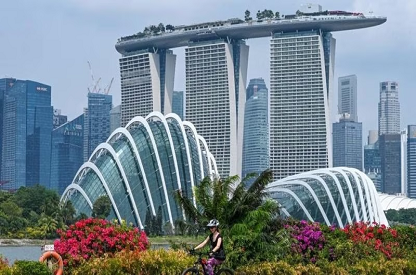
Singapore, often called the Switzerland of Asia, began courting banks and wealth managers in the 1990s. Economic reforms in China and India were starting to bear fruit, and by the 2000s, newly stable Indonesia was also seeing wealth growth. Soon, Singapore became a haven for foreign businesses, with investor-friendly laws, tax exemptions, and other incentives.
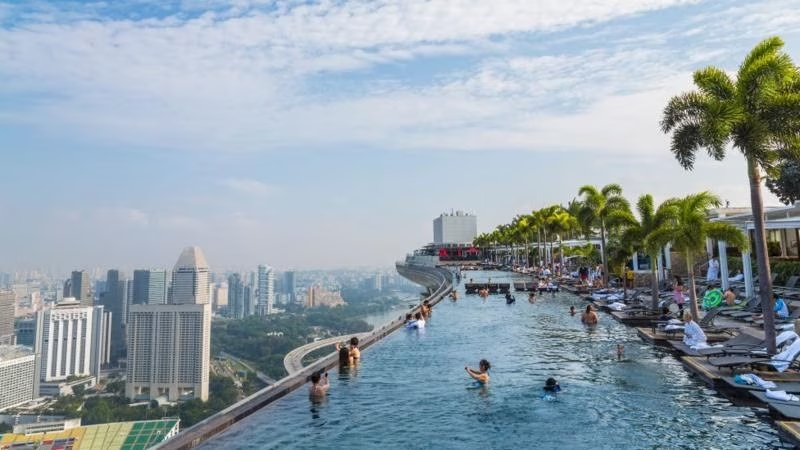
Today, the super-rich can fly into Singapore's private jet terminal, indulge in luxurious waterfront living, and speculate on the world's first diamond trading exchange. Just outside the airport lies a maximum-security vault called Le Freeport, which offers tax-free storage for art, jewelry, wine, and other valuables. The $100 million facility is often dubbed Asia's Fort Knox.
Singapore's asset managers drew in S$435 billion from abroad in 2022, nearly double the figure in 2017, according to the country's market regulator. More than half of Asia's family offices – companies that manage private wealth – are now based in Singapore, according to a report by consulting giant KPMG and family office consultant Agreus.
They include Google co-founder Sergey Brin, British billionaire James Dyson, and Shu Ping, a Chinese-Singaporean businessman who runs the world's largest hotpot restaurant chain, Haidilao.
'Rental Armageddon' in Singapore as prices soar
How a tote bag sparked a class debate in Singapore
Authorities conducting
“There's an inherent contradiction in a place like Singapore, which prides itself on clean and good governance but also wants to accommodate massive wealth management by offering benefits like low taxes and banking secrecy,” says Chong Ja-Ian, a visiting scholar at Carnegie China.
“The risk of also becoming a banker to individuals who make their money through nefarious or illicit means also increases.”
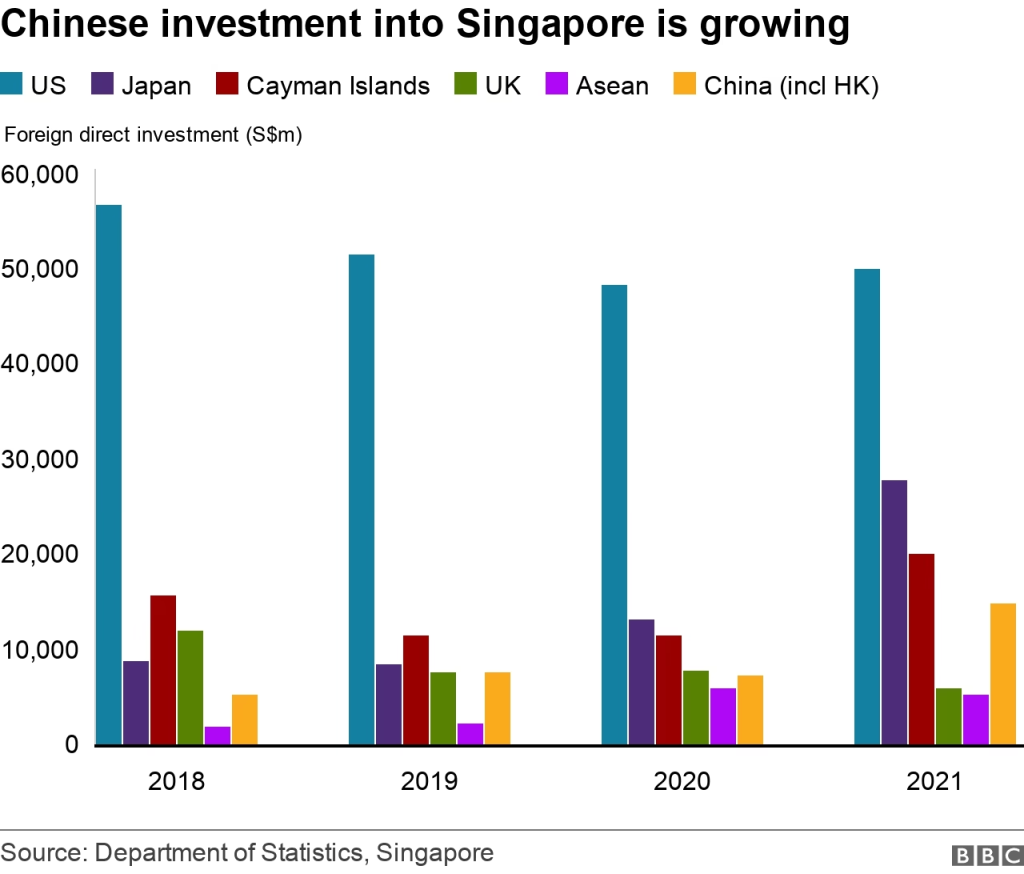
For wealthy Chinese, Singapore is a top choice due to its governance and stability, as well as its cultural ties to China. And more Chinese money has flowed into Singapore in recent years.
One of the 10 suspects in the case has been a fugitive in China since 2017 for his alleged role in illegal online gambling and
Hiding in Plain Sight
This is not the first time Singapore-based banks have been embroiled in financial crimes. They were found to have played a role in cross-border money laundering in the 1MDB scandal, in which billions of dollars were misused from Malaysia's state investment fund. And Tan, once described by Interpol as the “most notorious match-fixing syndicate leader in the world”, also had strong business ties to Singapore. He was arrested here in 2013.
The country has strict laws targeting white-collar crime and is an active member of the Financial Action Task Force (FATF), a global body that targets money laundering and terrorist financing. Over the years, banks have invested heavily in strengthening compliance, screening potential clients, and urging regulators to report suspicious transactions. However, none of this is foolproof.
For starters, it's tough for regulators to spot suspicious cases in a sea of high-value transactions.
“It's not just a needle in a haystack, but a needle in multiple haystacks,” Singapore's second minister for home affairs, Josephine Teo, told parliament last October.
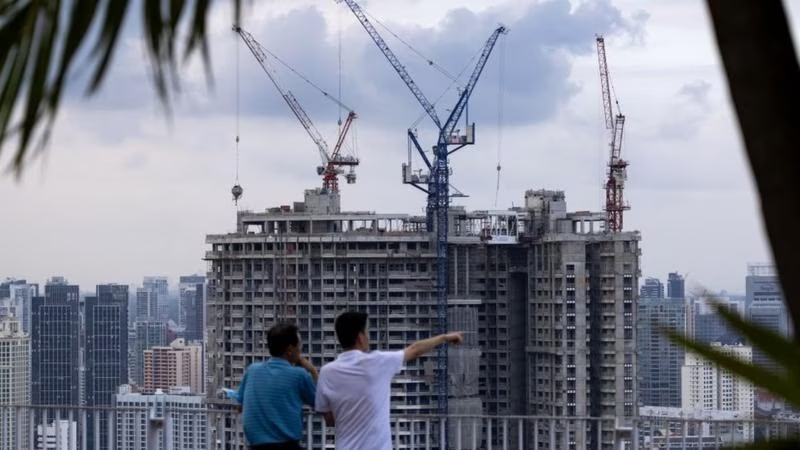
Singapore's booming property market is a popular vehicle for “laundering” dirty money, say some experts. And then there are casinos, nightclubs, and luxury shops.
“A huge amount of money passes through Singapore's banking system every day. Criminals can take advantage of this and mask their money-laundering activities among legitimate transactions,” Nanyang Technological University's accounting professor Kelvin Law told the BBC.
Singapore also doesn't restrict the amount of cash that can be brought in and out of the country, only requiring declaration if the amount exceeds S$20,000. And that's an advantage, says Christopher Leahy, founder of Singapore-based investigative research and risk advisory firm Blackpeak.
“If you want to move a lot of money, you hide it in plain sight and Singapore is the place to do it. There's no point putting it in the Cayman Islands or the British Virgin Islands, where there's nothing to spend it on,” he says.
When asked to respond to analysts' comments that Singapore's benefits as a financial hub also make it an attractive destination for dirty money, authorities pointed the BBC to an interview with the law and home affairs minister in a local newspaper last year.
“We can't shut the window, because if we do, legitimate funds also won't come in. And legitimate business also can't be done, or becomes very difficult to do. So we have to be practical,” said K Shanmugam.
“When you're successful, you're a major financial hub, a lot of money comes in, some 'flies' also come in,” he added, referencing a quote often attributed to late Chinese leader Deng Xiaoping.
Singapore must decide how far it will go in accepting “money with various shades of gray”, says Dr Chong from Carnegie China.
While increased regulation will help, she says transparency poses a bigger challenge: “Transparency contradicts the flexibility model that allows many wealth management centers to thrive.”
Some analysts say this may be a price Singapore is willing to pay to maintain its position as a financial hub.
“Most of the funds are legitimate, nonetheless,” says Leahy. “But there's an inevitable cost to being a major financial hub.”
Source: https://www-bbc-com.cdn.ampproject.org/c/s/www.bbc.com/news/world-asia-66840450.amp
Related Articles
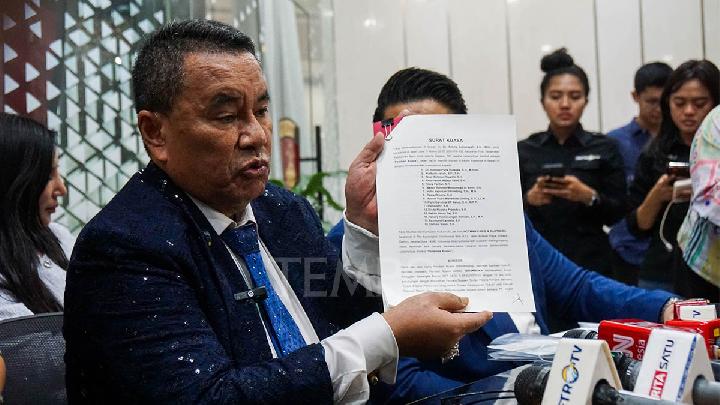
Lawyer Says Cash, 74 Kg of Gold Do Not Belong to Febrie Adriansyah
Former Deputy Attorney General Febrie Adriansyah, through his lawyer Hotman Paris, firmly denies ownership of the 74 kg of gold and millions …
Read more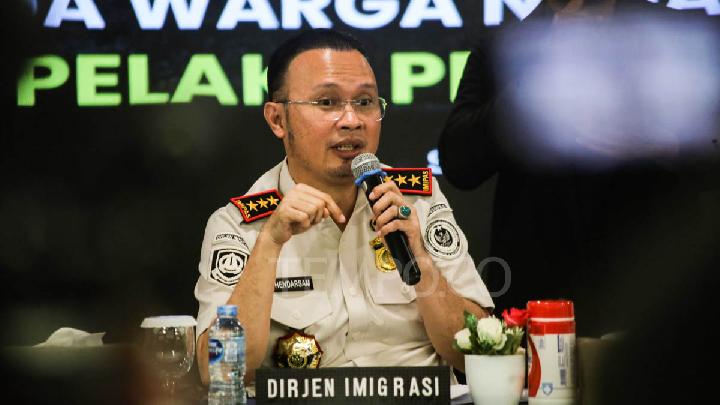
Indonesia Bars Ex-Prosecutor Febrie Adriansyah From Leaving the Country
The Indonesian government has officially imposed a six-month travel ban on former prosecutor Febrie Adriansyah, preventing him from leaving the country. The …
Read more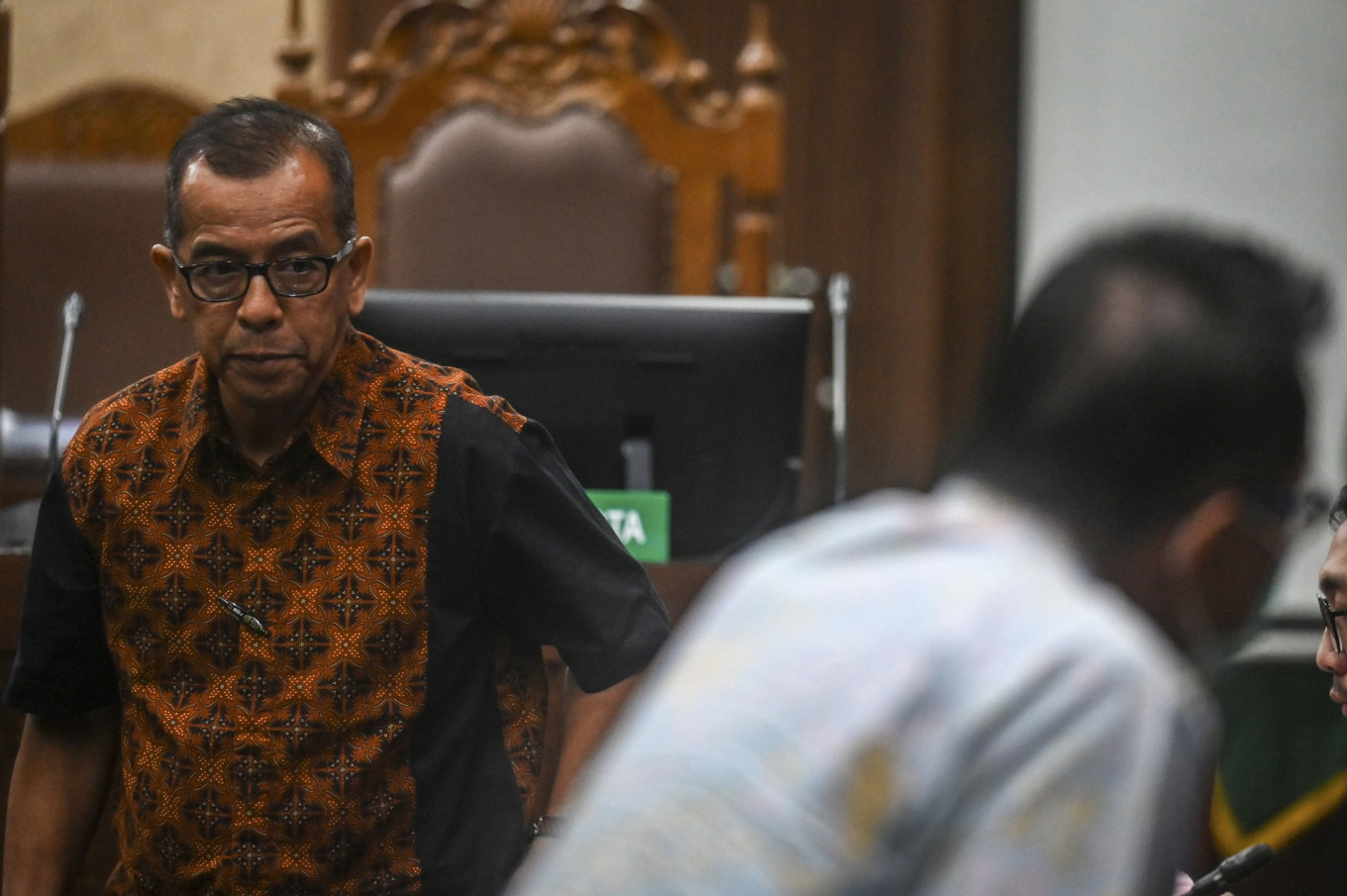
KPK Demands 8 Years in Prison for Former Garuda Boss
KPK seeks 8-year sentence, $1 billion fine, and $86 million in restitution for Emirsyah Satar over corruption in aircraft procurement that caused …
Read more