
42.5% of Fraud Attempts Are Now AI-Driven: Financial Institutions Rushing to Strengthen Cyber Defences


As cybercriminals increasingly turn to artificial intelligence to execute complex
This report sheds light on the rapidly escalating threat posed by AI-enhanced fraud tactics, which include the use of deepfakes, synthetic identities, and sophisticated phishing campaigns. These advanced techniques allow fraudsters to operate at an unprecedented scale and level of sophistication.
Current Trends in AI-Driven Fraud
42.5% of detected fraud involves AI: nearly half of all fraud attempts are now AI-driven, showcasing the growing sophistication and prevalence of these attacks.
80% Surge in Overall Fraud Attempts: the financial sector has experienced an 80% increase in fraud attempts over the last three years, driven in part by the adoption of AI by fraudsters.
Only 22% of Firms Have Implemented AI Defences: despite the escalating risk, less than a quarter of financial institutions have taken action to deploy AI-driven fraud prevention measures, exposing a significant vulnerability.
A Weak Response: Financial Institutions Behind on AI Defences
Facing this evolving threat landscape, financial institutions are increasingly aware that traditional defences are proving insufficient against AI-powered attacks. The
According to Kasada’s 2024 State of Bot Mitigation report, 87% of respondents say their executive team is concerned about bot attacks and AI-driven fraud. Nevertheless, Signicat’s report unveils that three-quarters of respondents claim to lack the expertise, resources and budget to tackle AI-driven identity fraud. This suggests that companies in the financial sector are not prepared for this threat.
The Expertise Gap: Financial Institutions Struggling to Keep Pace
“Companies are of course putting in place defence mechanisms against AI-driven identity fraud, but the threat is growing. The acceleration of digitalisation we are seeing in recent years has also made attacks more sophisticated and executed at scale. Mechanisms that worked a few years ago are no longer sufficient and it is urgent that companies consider a multi-layered approach, combining for example electronic identities with risk analysis and if required, step-ups. Only in this way can they strike the right balance between letting legitimate users through with less friction and introducing additional security measures when there is a risk.” states Pinar Alpay, Chief Product & Marketing Officer at Signicat. “With account takeover being one of the most common forms of identity fraud, secure and robust digital identity solutions also protect end-users and their accounts when logging in or accepting documents”.
The report emphasises the need for a proactive, multi-layered cybersecurity approach that integrates AI with traditional security measures. It further highlights the importance of educating employees and customers on the new threats AI poses in the evolving landscape of cybercrime.
Get Firm News in your inbox
Be the first to know when we publish new Firm News updates — no spam, unsubscribe anytime.
Related Articles
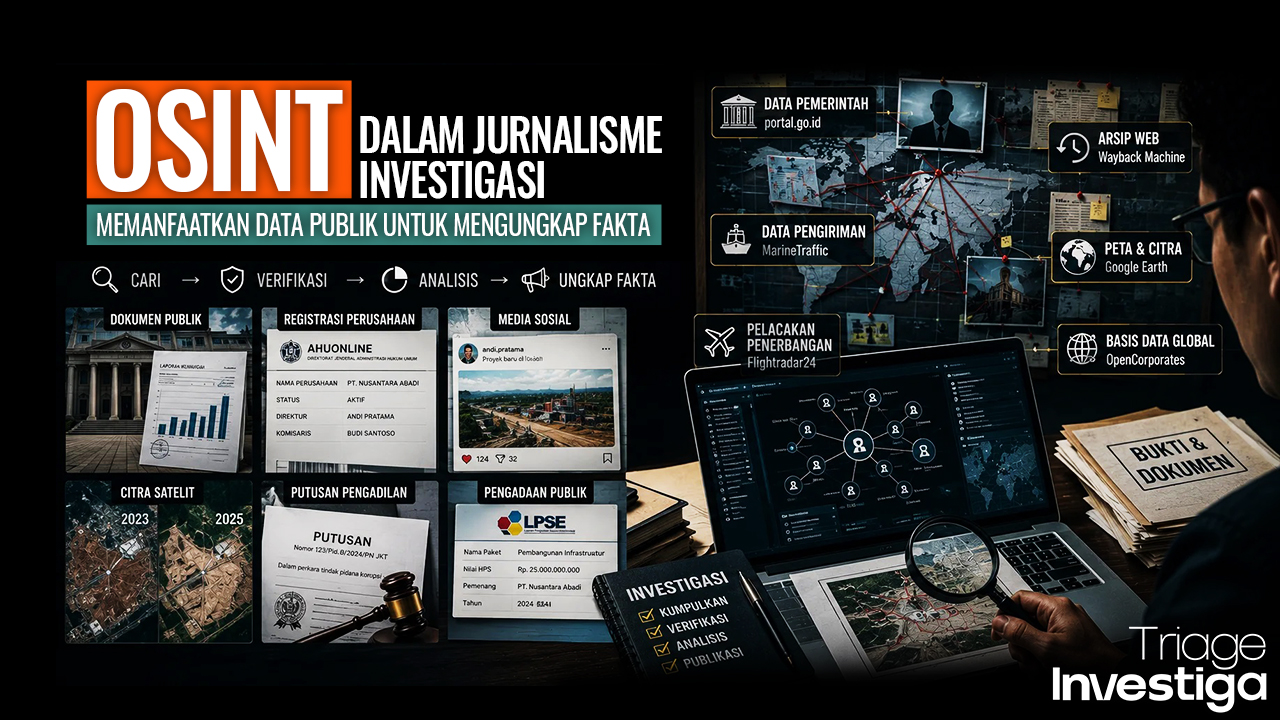
OSINT in Investigative Journalism: Utilizing Public Data to Uncover Facts
Digital technology has changed the way investigative journalism works through the utilization of open data or Open Source Intelligence (OSINT).
Read more
KPK seizes hundreds of billions in 20 suitcases related to ATR/BPN sting operation
The seizure of hundreds of billions in 20 suitcases by the KPK at ATR/BPN serves as a stern reminder of the importance …
Read more
Police involve digital forensic experts to investigate the murder of SMP Negeri 1 Nabire student
Nabire Police involved digital forensic experts to extract data from three mobile phones as part of the investigation into the murder of …
Read more