
BI Reveals Cybercrimes Projected to Cost Indonesia Rp 111 Trillion
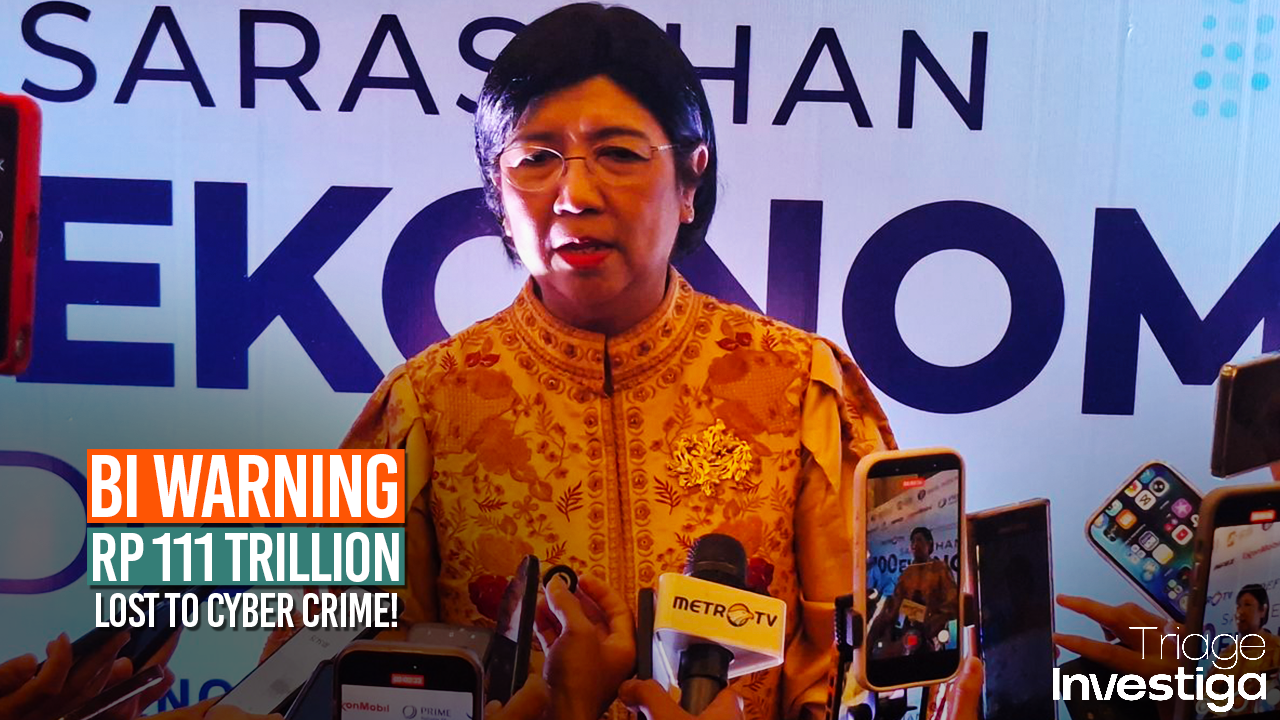
JAKARTA, KOMPAS.com - Bank Indonesia (BI) projects that losses due to cyber attacks in Indonesia will reach around 6.2 billion US dollars, or equivalent to Rp 111 trillion throughout 2026. BI Governor Destry Damayanti said cyber risks continue to increase along with rapid digitalization and the increasingly connected digital economic and financial ecosystem. "In 2026 alone, it is estimated that losses due to cyber attacks in Indonesia will reach around USD 6.2 billion," said Destry at the Indonesia Digital Financial Economy Festival (FEKDI) x Indonesia Fintech Summit and Expo (IFSE) 2026 in Jakarta, Thursday (24/9/2026). The magnitude of these potential losses encourages BI to strengthen synergy with the industry and ministries/agencies (K/L) to ensure the digital payment system remains safe and capable of protecting consumers. According to her, strengthening
Destry noted that BI has a mandate to create a payment system that is reliable, safe, and trusted by the public. However, technological developments also present new challenges. The increasingly widespread use of artificial intelligence (AI) and automation also increases the risk of cyber attacks, data misuse,
Meanwhile, the number of QRIS users is targeted to reach 69.32 million by the end of 2026, or grow by 20.26 percent compared to the previous year. BI also continues to accelerate the implementation of the Indonesian Credit Card (KKI). After the launch of the KKI in August 2026, the number of cards issued and activated reached 32,457 cards. Strengthening is also carried out on the structure of the payment system industry so that it becomes healthier, more competitive, and resilient. Until August 2026, the transaction volume through the National Standard for Open API Payments (SNAP) reached 2.69 billion transactions. This number grew 67.16 percent annually. The growth of SNAP transactions shows the increasingly widespread use of digital payment connectivity in the economic and financial ecosystem. Meanwhile, retail transaction volume through BI-FAST reached 549 million transactions as of August 2026. This figure grew 37.72 percent annually. "Strengthening payment system infrastructure will continue to be carried out to support transaction needs that are growing increasingly rapidly," she said. In addition to strengthening infrastructure and security, BI also encourages the development of digital talent to strengthen the national digital economic and financial ecosystem. One of them is through the Indonesian Digital Innovation Center with the Digdaya program. The program serves as a space for young talents to develop technology-based innovations while generating digital solutions. The program has attracted 800 proposals from 2,094 participants and continues to be developed. Strengthening digitalization is also carried out at the regional government (pemda) level. BI noted that the digitalization level of local governments has reached 94.9 percent, covering 518 out of 546 local governments. Destry said increasing local government digitalization can support the effectiveness of government transactions and regional economic management. In addition, local government digitalization is expected to accelerate national economic growth. This development is part of BI's strategy to encourage an inclusive and integrated digital economic and financial transformation.
Get Firm News in your inbox
Be the first to know when we publish new Firm News updates — no spam, unsubscribe anytime.
Related Articles
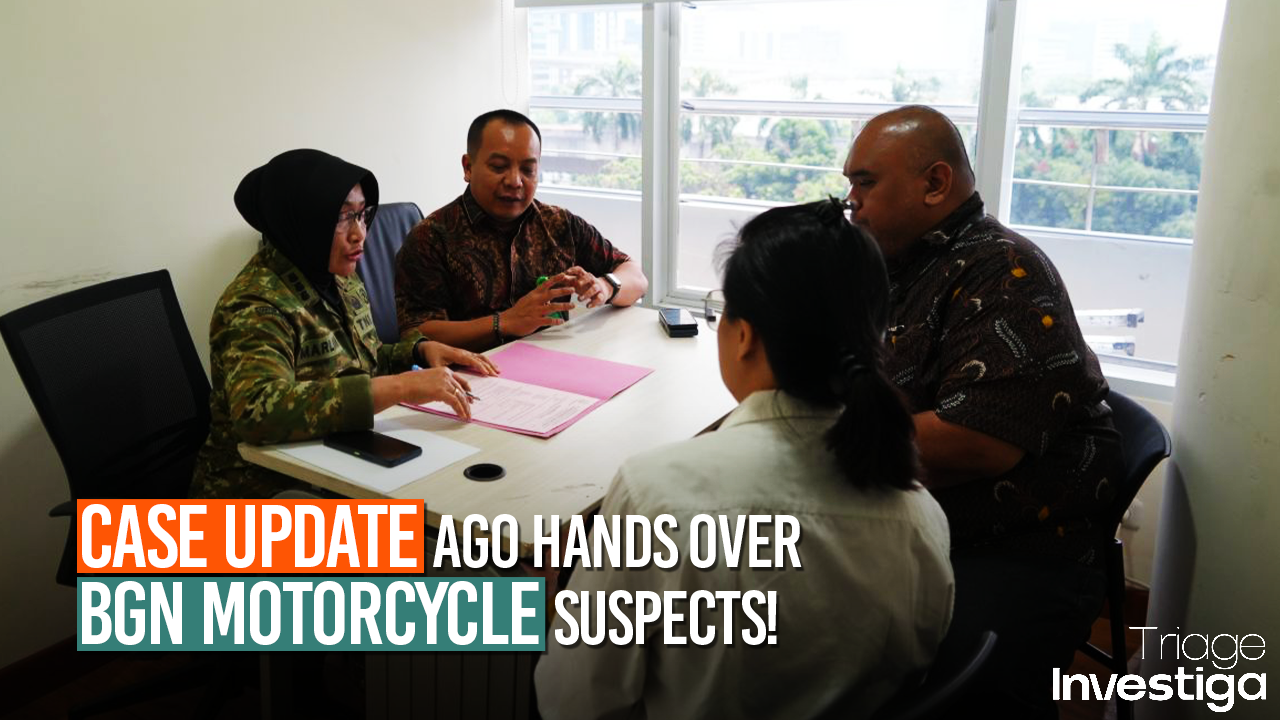
AGO Hands Over Suspects in BGN Motorcycle Procurement Corruption to Public Prosecutor
The AGO handed over five suspects in the alleged corruption case of electric motorcycle procurement at the National Nutrition Agency (BGN) to …
Read more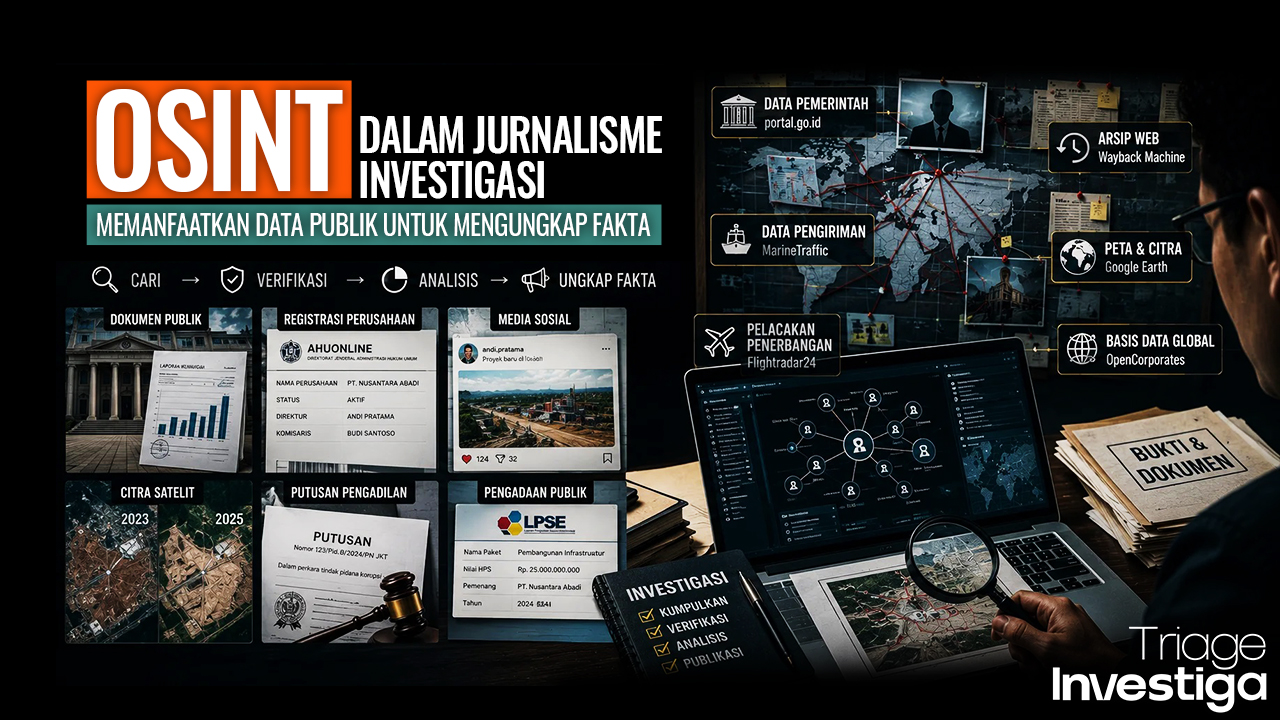
OSINT in Investigative Journalism: Utilizing Public Data to Uncover Facts
Digital technology has changed the way investigative journalism works through the utilization of open data or Open Source Intelligence (OSINT).
Read more
KPK seizes hundreds of billions in 20 suitcases related to ATR/BPN sting operation
The seizure of hundreds of billions in 20 suitcases by the KPK at ATR/BPN serves as a stern reminder of the importance …
Read more