
Cash Skimming and Cash Larceny in Business
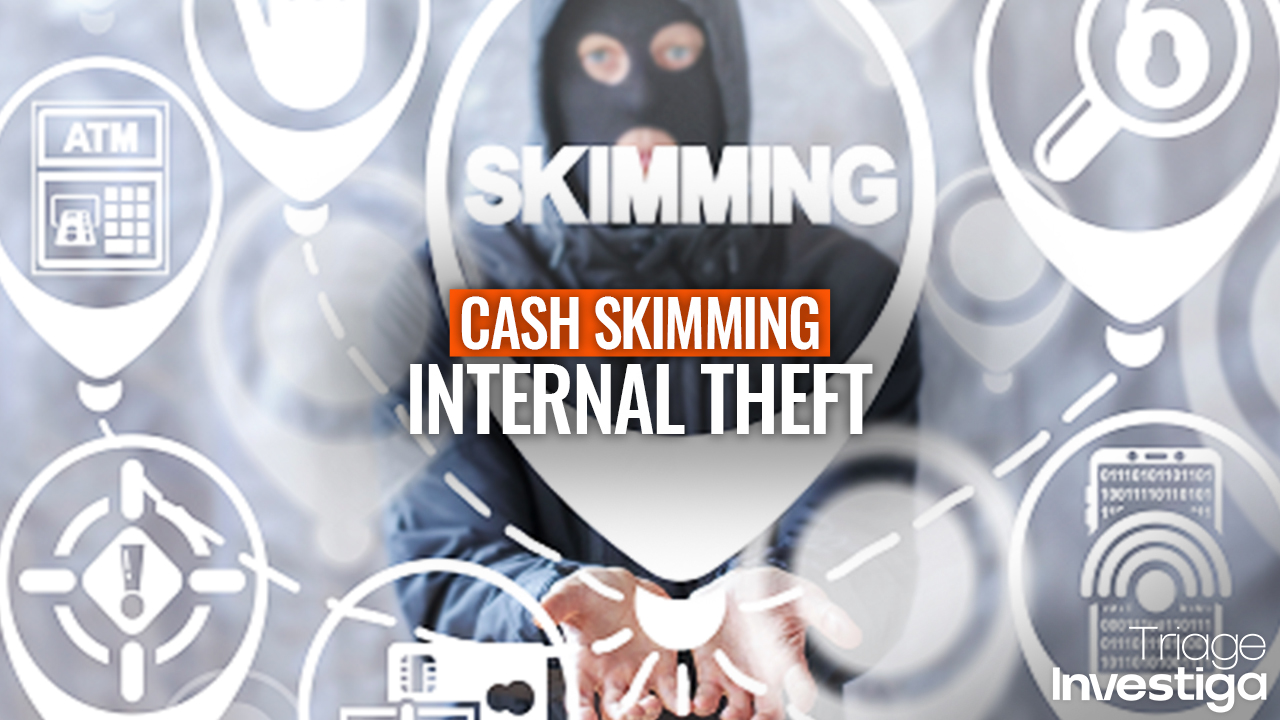
According to the Fraud Triangle by Dr. Donald Cressey, people commit fraud for three main reasons; financial pressure, rationalization, and opportunity. Asset misuse, including 47% of all fraud cases, encompasses various sub-schemes, among them cash skimming and cash larceny. The Occupational Fraud 2022: A Report to the Nations, recently published by the Association of Certified Fraud Examiners [ACFE], states that cash skimming and cash larceny account for 9% and 8% of asset misuse fraud, respectively.
How does cash skimming occur? Also known legally as defalcation, cash skimming is defined as the theft of unrecorded cash receipts, such as sales, refunds, or receivables, in cases where the money has not been accounted for within the organization. This involves taking a portion of the daily cash receipts, hence considered an 'off-book' fraud. A fraudster can do this by failing to record sales or by understating sales values.
Cash skimming is the most difficult fraud to detect as it leaves no audit trail. This type of fraud can also occur at an individual level in the form of ATM and credit card skimming.
Although not easy to detect, management and business owners can prevent cash skimming through various means, such as: – a) Actively monitoring revenue receipts and checking cancelled transactions to detect theft; b) Paying attention to inventory shrinkage as cash skimming can sometimes appear as inventory errors; and c) Avoiding cash transactions to ensure an audit trail for all transactions.
How does cash larceny occur? Cash larceny involves the theft of recorded cash receipts. Unlike cash skimming, this type of fraud involves the theft of funds that have been accounted for, making it easier to detect. It occurs at the point of cash collection or when deposits are in transit.
Cash larceny requires considerable cover-up effort on the part of the fraudster. In most cases, a small amount of money may be written off as cash shortage, while larger transactions may be recorded as cancellations, refunds, or uncollectible accounts. Additionally, the fraudster may employ teeming and lading tactics, which involve allocating receipts from one customer's/account debtor's account to another customer with the intention of making the ledger accounts balance, to hide the theft of money.
Some ways to prevent cash larceny include, but are not limited to:
- Segregation of duties – this ensures that no single employee has control over the entire accounting process;
- Participation of business owners and/or managers in cash counts and account reconciliations; and
- Use of Point of Sale (POS) systems – this will help curb cash fraud, especially where cash transactions are predominantly used.
How can we help? Cash can be difficult to track once in the hands of a fraudster. Forensic experts can uncover fraud schemes by following the money trail, which involves uncovering everyone who has come into contact with the money.
At Riskhouse international, we have a team of Forensic Accountants and Fraud Investigators with direct experience in conducting investigations into various forms of fraud, including; fraudulent financial reporting and other accounting fraud; potentially fraudulent payments; revenue-related irregularities such as over or under-statement of revenue; matters involving fraudulent fund disbursements, cash theft, and skimming; as well as inventory fraud to protect our clients.
To learn more about this service and to follow our news and other alerts, you can visit our blog on our website at https://riskhouse.co.ke/blog/
Get Firm News in your inbox
Be the first to know when we publish new Firm News updates — no spam, unsubscribe anytime.
Related Articles
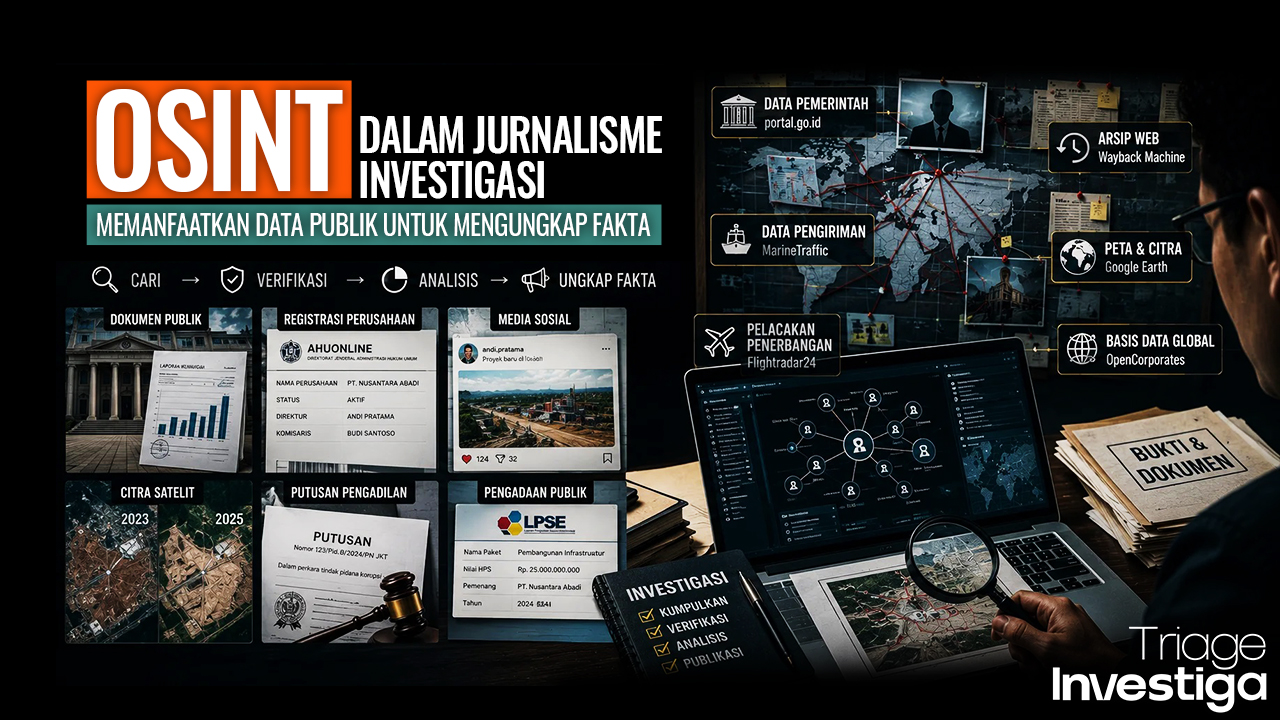
OSINT in Investigative Journalism: Utilizing Public Data to Uncover Facts
Digital technology has changed the way investigative journalism works through the utilization of open data or Open Source Intelligence (OSINT).
Read more
KPK seizes hundreds of billions in 20 suitcases related to ATR/BPN sting operation
The seizure of hundreds of billions in 20 suitcases by the KPK at ATR/BPN serves as a stern reminder of the importance …
Read more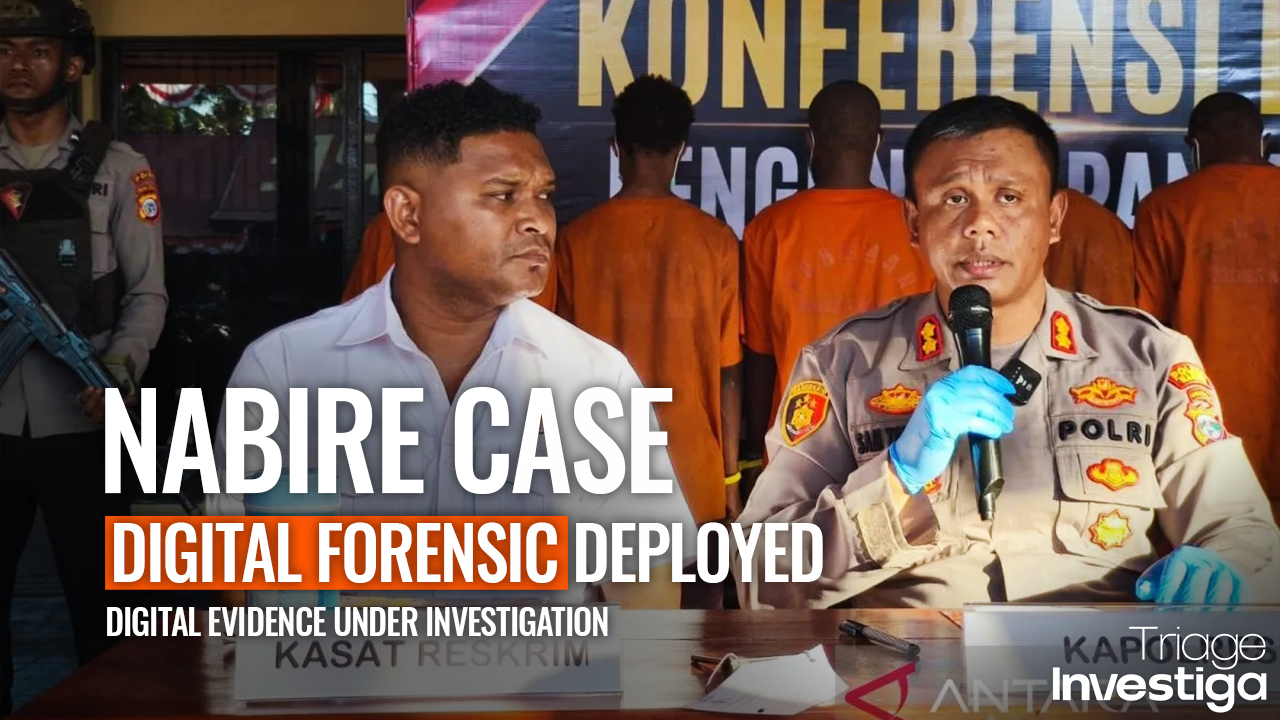
Police involve digital forensic experts to investigate the murder of SMP Negeri 1 Nabire student
Nabire Police involved digital forensic experts to extract data from three mobile phones as part of the investigation into the murder of …
Read more